Vintage Ornamental Border Islamic Graphics & Illustrations
First Impression: Elegant, Cultured, and Timelessly Inviting
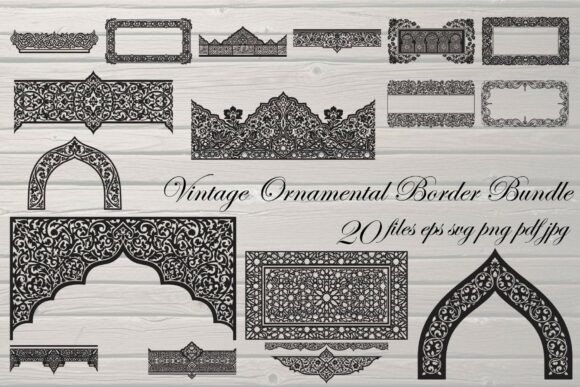
Opening Vintage Ornamental Border Islamic feels like unrolling a hand-embroidered textile—rich in detail, grounded in heritage, and instantly evocative. This isn’t generic clipart; it’s a considered graphic design asset that balances reverence with visual warmth. For a local business owner, it suggests sophistication without stiffness—ideal for a boutique tea shop sourcing from Morocco, a handmade soap brand using olive oil and rosewater, or a family-run baklava bakery honoring generations of craft. It reads as premium yet approachable, decorative but never overwhelming, and deeply human-centered. The motifs—arched frames, interlaced geometry, delicate floral scrolls—carry quiet confidence. They signal care, authenticity, and cultural resonance—not appropriation, but appreciation rendered with design integrity.
Where It Elevates Real Local Business Branding
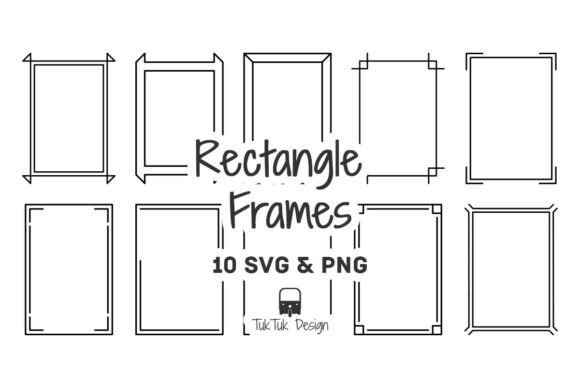
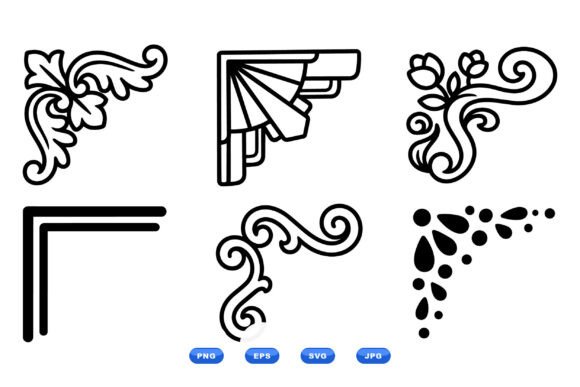
In practice, Vintage Ornamental Border Islamic shines where small business branding needs emotional texture and visual distinction. I recently used it for a seasonal packaging refresh for a Portland-based candle brand launching a “Desert Bloom” collection—amber glass vessels, linen labels, and warm sandstone tones. The Arabic geometric pattern rectangles became subtle background textures on product mockups; the elegant horizontal ornamental borders framed ingredient callouts on hang tags; and the Islamic arch-style frames cradled the logo on thank-you cards. Instantly, the brand felt more intentional, more rooted—and shelf appeal jumped at local stockists. It also strengthened visual hierarchy across touchpoints: the same floral engraved scroll border appears on Instagram story graphics, menu boards at pop-up markets, and printable inserts tucked into online orders. That consistency builds recognition, trust, and a cohesive brand identity no algorithm can replicate.
Smart Uses Across Your Marketing Ecosystem
- Packaging design: As accents on kraft boxes, die-cut labels, or foil-stamped sleeves—especially effective on matte or textured substrates.
- Product label: Framing flavor names, origin stories, or certifications (e.g., “Hand-poured • Small Batch • Made in Austin”).
- Social media graphics: Hero banners for seasonal campaigns, story highlights with decorative dividers, or branded quote cards for Reels.
- Printable design: Thank-you cards, recipe cards for food brands, or illustrated price lists for boutiques.
- Local business signage: Subtle framing elements on chalkboard menus, window decals, or market booth backdrops.
Where to Apply With Intention—Not Just Decoration
Vintage Ornamental Border Islamic works best when it serves function—not just flourish. It excels in hero graphics (website banners, poster headers), decorative brand elements (letterhead flourishes, email signature dividers), and product mockups where craftsmanship is central. For a children’s book illustrator launching a Ramadan-themed stationery line, the Islamic arch-style frames became gentle visual anchors on sticker sheets and gift tags—softening formality while honoring tradition. But restraint matters: avoid stacking it over dense ingredient lists, legal disclaimers, or tiny nutrition facts. Don’t force it onto ultra-minimalist luxury skincare labels—it competes with clarity. And skip low-contrast backgrounds (e.g., light gold on cream); test print fidelity first. This is editorial design thinking—not drag-and-drop decoration.
Practical Brand Designer Notes You’ll Actually Use
- Test it on real packaging mockups—not just digital previews—to gauge scale and legibility at 2x and 4x size.
- Check black-and-white usage: does the geometry hold up in monochrome? Crucial for stamping or embossing.
- Preview it on small labels (under 2” wide)—some floral scrolls lose definition when scaled down.
- Test it with your brand colors: does the gold-tone geometry sing against deep indigo? Does the scroll border soften harsh charcoal text?
- Compare it side-by-side with competitor packaging—does it stand out *for the right reasons*?
- Review PNG transparency edges and SVG vector editability—clean paths matter for crisp foil stamping or laser cutting.
- Test typography pairings: it harmonizes beautifully with serif fonts (for heritage weight) and script fonts (for artisanal warmth), but can overwhelm thin sans serifs.
- Confirm commercial license coverage—especially if you’re a designer applying it to client work, physical product sales, or Canva templates for resale.
Why This Matters for Handmade Businesses & Local Brands
In a sea of algorithm-driven sameness, Vintage Ornamental Border Islamic offers small business branding something rare: narrative depth with design precision. It’s not just another illustration—it’s a tool for signaling values: respect for craft, attention to detail, connection to place and tradition. For a handmade soap seller in Chicago, it helped translate “small-batch, plant-based, family-formulated” into visual language customers *feel* before they read a word. For a home decor shop in Santa Fe, it elevated printed lookbook spreads from catalog to collectible. That’s the power of intentional design assets: they turn packaging into storytelling, labels into legacy, and social media graphics into shared moments—not just content. When used thoughtfully, Vintage Ornamental Border Islamic doesn’t just decorate. It dignifies. It differentiates. And for local business owners building something real, that’s not optional—it’s essential.