★★★★☆4.5(454 reviews)
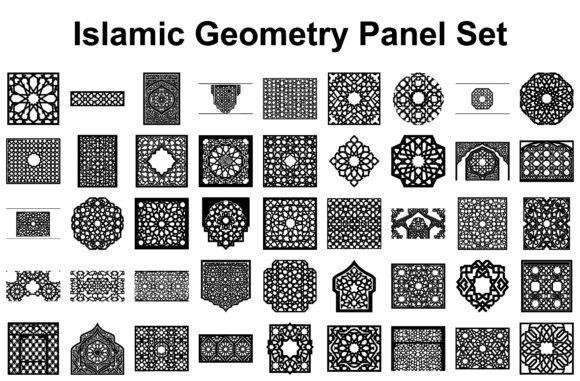
Islamic Geometry Panel Set
Real-Life Embroidery Considerations
- Hoop Size: Depending on the complexity of the design, you may need a larger hoop to accommodate all the details without distortion.
- Stitch Density: The intricate patterns mean higher stitch counts, which can affect stitching speed and thread usage.
- Fabric Compatibility: While the design looks stunning on smooth fabrics like cotton or linen, it might be more challenging on textured or stretchy materials.
- Thread Color: Testing different thread colors against the background fabric is essential to ensure visibility and contrast.
- Stabilizer Use: Proper stabilizer placement is crucial to prevent puckering, especially with dense fill stitches.
Design Challenges and Solutions
There are a few areas where the Islamic Geometry Panel Set might require extra care. For instance, when working with small hoop sizes, the fine details can become lost or distorted. Likewise, dark fabric backgrounds may reduce the visibility of the design, making it less impactful. If you’re planning to use this on curved surfaces like caps or hats, ensure the design is compatible with the shape to avoid stretching or misalignment. Another consideration is layered garments or items that will undergo frequent washing. The density of the embroidery can cause wear over time, so it’s important to balance detail with durability. For personalized gifts or commercial embroidery, testing the design on a scrap piece of fabric before committing to a final product is always a good idea.Visual Appeal and Customer Trust
The visual appeal of the Islamic Geometry Panel Set is undeniable. Its symmetrical layout and refined details create a sense of professionalism and craftsmanship. When used in a handmade product, it adds value by signaling attention to detail and quality. Customers often associate intricate designs with higher perceived value, which can be a powerful tool for Etsy sellers or small shop owners. However, it’s important to remember that visual appeal alone isn’t enough. The design must also work well in various lighting conditions and fabric types. A test run on a printable mockup or a black and white version can help identify any potential issues before moving forward.Practical Design Notes for Embroidery Designers
- Test on Scrap Fabric: Always check the design on a small piece of fabric to see how it looks in real life.
- Review Stitch Density: High-density areas may require adjustments to ensure they don’t overwhelm the fabric.
- Confirm Hoop Size: Ensure your machine can handle the size and complexity of the design.
- Use Proper Stabilizer: Choose the right type of stabilizer based on the fabric and design density.
- Check Thread Contrast: Experiment with different thread colors to find the best match for your project.
- Consider Licensing: If you plan to sell finished products, confirm the licensing terms for commercial use.
⬇️ Download Free
Free download · No sign-up required
🔗 You Might Also Like
Illustrations
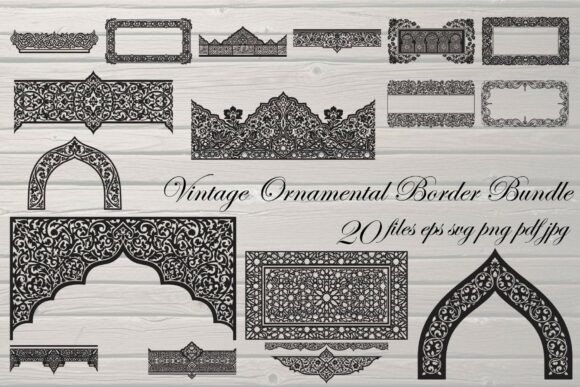
First Impression: Elegant, Cultured, and Timelessly Inviting Opening Vintage Orn...
Illustrations
As a brand designer and content marketer who’s built visual systems for over 200...

Illustrations
As a digital product creator who’s launched over 200 Etsy listings and scaled pr...
Illustrations
As a brand designer and content marketer who’s refreshed over 200 small business...
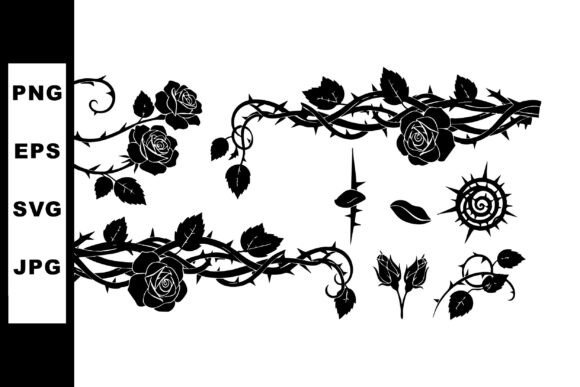
Illustrations
A Designer’s First Look: Mysterious, Sharp, and Ready for Stitching When I opene...
